Safari Plast
Home Page Blog Contact
Activity Areas
    Search to see the results.
Services
    Search to see the results.
Dealer Application Form
Simply fill out the form for our franchise opportunities. Our team will contact you shortly.
Mold Manufacturing: Where Design Meets Production

The Importance of Mold Manufacturing

The quality and appearance of plastic products depend largely on the precision of the molds used. A mold is the critical link where design is transferred to production; a well‑designed and constructed mold ensures that each part is produced with the same accuracy and aesthetic. From prototyping to mass production, mold manufacturing is the foundation of success.

Comprehensive Design and Development

The first step in mold making is a detailed and accurate design process. Transferring sample parts to digital format using 3D scanning and creating production‑ready models with CAD/CAM software ensures that the mold aligns with functional and aesthetic requirements. Designers, engineers and manufacturing teams collaborate to define project needs from the outset. Early analysis allows potential challenges to be addressed and communication to flow smoothly throughout the project.

Manufacturing Technology and Precision

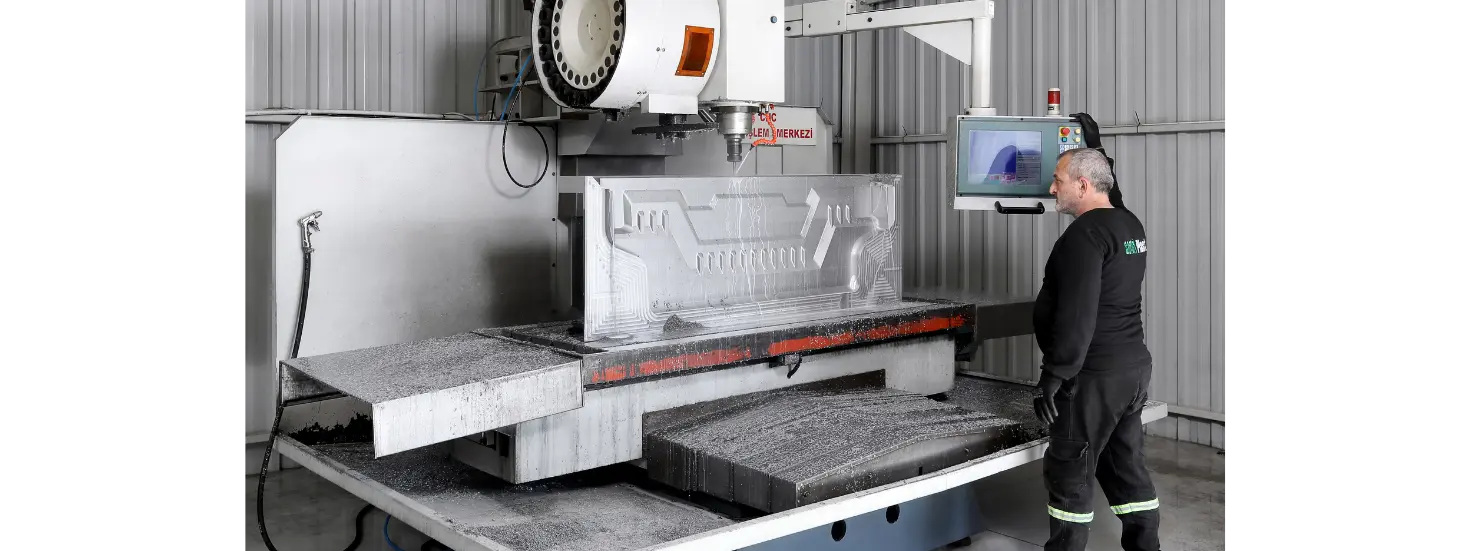
CNC machines used in mold fabrication are designed to machine complex surfaces with high precision. They enable molds to be produced with repeatable quality, ensuring that each part meets dimensional accuracy and surface standards. Supported by fixture and apparatus production, the manufacturing process offers flexible and reliable solutions even for custom projects. From prototypes to series production, high surface quality and dimensional accuracy are maintained at every stage.

Customer‑Centric and Flexible Service

Mold manufacturing not only satisfies internal production needs but also offers tailored solutions to clients from various industries. It provides rapid delivery and application‑oriented design, especially for low and medium‑volume runs. Close communication with customers ensures that project‑specific requirements are considered, while revision and optimization processes are supported. This flexibility makes mold manufacturing a dependable partner for diverse projects.

Sustainability and Innovation

Durable, long‑lasting molds improve manufacturing efficiency by reducing material and energy use. Digital design and validation methods minimize defective production and material waste. Maintaining and optimizing molds strengthens process sustainability, while investment in new technologies drives innovation. In this way, environmental impacts are reduced and product quality is enhanced.

Safari Plast’s Mold Manufacturing Approach

Safari Plast designs and produces the molds needed for thermoforming and plastic forming processes in‑house. Combining 3D scanning, CAD/CAM infrastructure and CNC machining allows complex geometries to be machined with precision and consistent quality. From prototypes to series production, the company provides fast and controlled manufacturing for projects of varying scale. In addition, Safari Plast offers mold design and production services for external clients, delivering flexible solutions across a wide range of industries. This expertise in mold making brings together quality, speed and reliability.

Conclusion

Mold manufacturing is one of the most important steps in turning plastic designs into reality. Molds produced with high precision and sound engineering directly influence product quality and manufacturing efficiency. With advanced technology and a customer‑focused approach, Safari Plast develops mold solutions tailored to every project. For the key to success in your design and production processes, rely on Safari Plast’s mold manufacturing expertise.

Examine
Recycling: A New Start for the Circular Economy

The Importance of Recycling

Every year, vast amounts of plastic waste accumulate worldwide, leading to resource depletion and environmental pollution. Recycling, the process of reclaiming used materials, offers solutions to these issues. It conserves natural resources, reduces energy consumption and prevents waste from ending up in landfills or the natural environment. Recycling plastics plays a vital role in combating climate change, since reclaiming material reduces the energy and greenhouse gas emissions associated with producing new products.

A Circular Process

Recycling is more than just collecting waste; it transforms manufacturing into a sustainable loop. Plastic waste is collected, sorted and cleaned. It is then ground into small pieces and processed back into raw material. Within this loop, the reclaimed material becomes feedstock for new products, turning “waste” into a valuable resource. This reduces the demand for virgin raw materials and aligns the production economy more closely with nature.

A Renewable Source of Materials

Offcuts from production and end‑of‑life plastic parts are essential components of the recycling process. These scraps are transformed back into usable raw material through appropriate processing and reintegrated into the production cycle. This approach maintains quality standards while lowering manufacturing costs. By keeping waste out of the environment and landfills, recycling becomes a fundamental part of corporate sustainability strategies.

Safari Plast’s Recycling Approach

Safari Plast converts plastic waste from its production processes back into raw material through its recycling systems. Advanced sorting and grinding technologies allow materials to be reused at high standards. In addition to handling its own production waste, the company processes plastic waste from customers and reintegrates it into the production cycle, creating a more sustainable supply chain in partnership with its clients. The reclaimed material is used in the manufacture of new sheets and products, balancing quality with environmental responsibility.

Benefits for the Environment and Society

The benefits of plastic recycling extend beyond industry, positively impacting communities and the environment. By reducing the amount of waste that might otherwise enter nature, recycling helps prevent water and soil pollution. It also saves energy and reduces the carbon footprint. Adopting a circular economy approach not only supports businesses’ sustainability goals but also encourages society to develop more conscious consumption habits.

Conclusion

Recycling is an indispensable part of repurposing plastic waste and building a sustainable future. With its advanced technology and environmentally conscious approach, Safari Plast places recycling at the centre of its production strategy. By transforming waste into raw material, the company fulfils its environmental responsibilities while providing customers with high‑quality and sustainable products. Safari Plast invites all stakeholders who share its circular economy vision to contribute to this journey toward sustainability.

Examine
Thermoform Shaping: Where Infinite Design Meets Function

What Is Thermoforming?

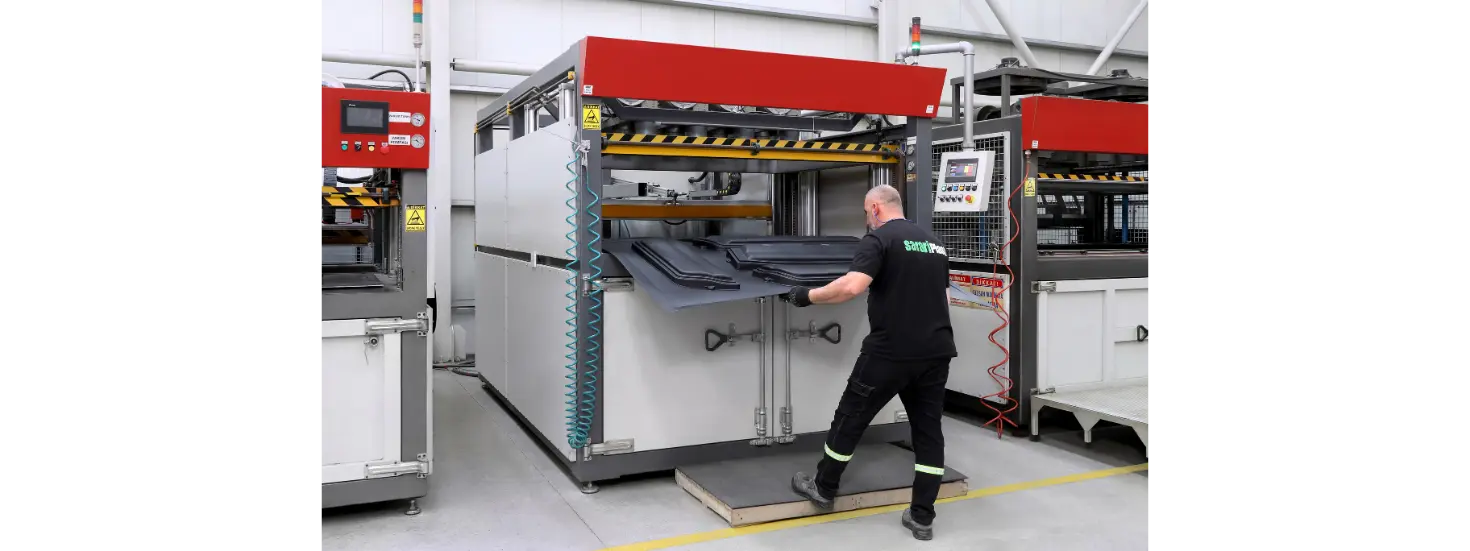
Thermoforming is a shaping method in which plastic sheets are heated until they soften and then drawn over a mold by vacuum to create the desired form. During this process, a flat sheet is transformed into a three‑dimensional product while maintaining its structural integrity. Because the molds are relatively affordable and the cycle time is short, thermoforming adapts well to both small and large production volumes.

Flexible Design and Diverse Applications

Thermoforming makes it easy to produce parts with complex geometries and various sizes. Its range of applications includes automotive interior trim, appliance panels, medical device enclosures, bathroom equipment and travel accessories. By drawing a heated sheet over a mold with vacuum or pressure, designers can achieve elegant curves, durable protective housings or ergonomic components. The ability to work with different thicknesses and colours allows products to be tailored to both functional and visual requirements.

Production Speed and Efficiency

Compared with other shaping methods, thermoforming offers shorter lead times. Tooling can be prepared quickly and cost‑effectively, making the process ideal for custom designs or limited‑run projects. Efficient use of material and low scrap rates give thermoforming an economic edge, whether in prototyping or full‑scale manufacturing.

Materials and Sustainability

Thermoplastics such as ABS, ABS+PMMA, PS, PP and HDPE are commonly used in thermoforming due to their impact resistance, chemical stability and heat tolerance. These materials can be recycled, enabling scrap generated during production to be reprocessed into new raw material. This recyclable nature supports a sustainable production model by reducing environmental impact.

Safari Plast’s Thermoforming Solutions

With a modern thermoforming line and an experienced team, Safari Plast develops customer‑focused products with high precision. By heating and forming a wide variety of thermoplastic sheets, the company produces custom parts for sectors such as automotive, white goods, construction, medical and more. Customisable mold design delivers quick and consistent results for projects of all scales. After forming, five‑axis CNC trimming technology ensures smooth edges and precise dimensions. These integrated processes enable Safari Plast to deliver products that balance quality, aesthetics and functionality.

Conclusion

Thermoform shaping offers broad design freedom and efficient production advantages, meeting the needs of today’s industries. Through high‑standard thermoforming processes, Safari Plast produces solutions that combine aesthetics with durability. Considering the capabilities of thermoforming in your projects can provide the speed, flexibility and sustainability needed to stand out in the market.


Examine
Extrusion: The Journey from Plastic to Form

What Is Extrusion?

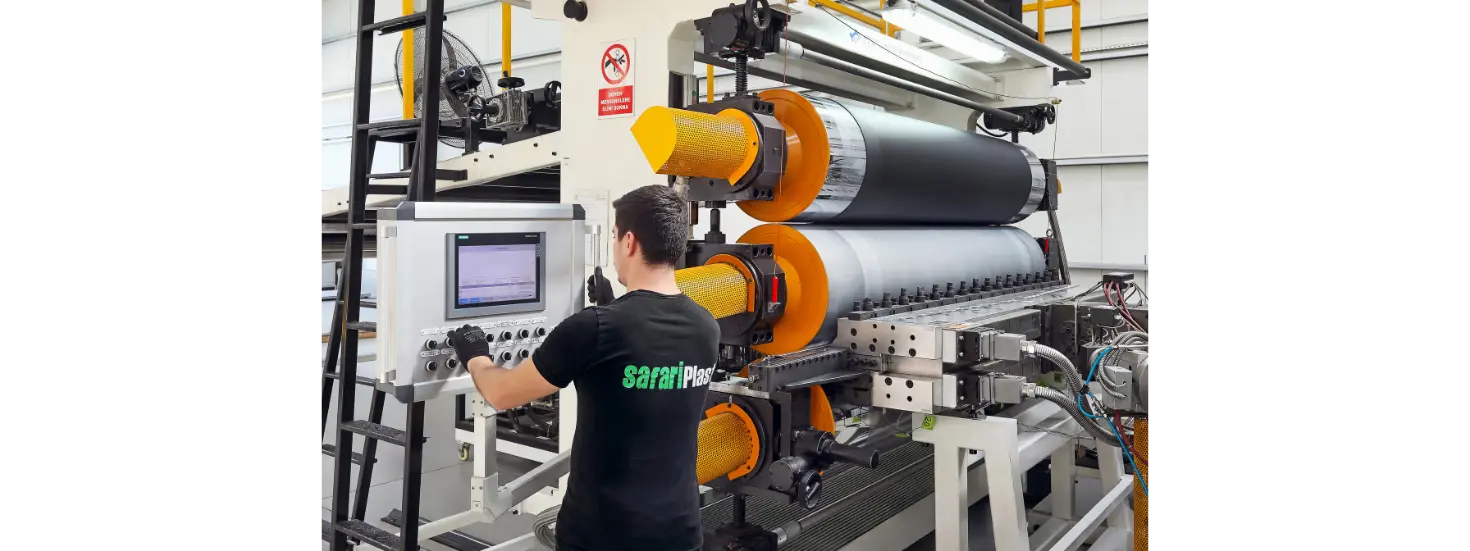
Extrusion is a manufacturing method in which thermoplastic materials are heated to a homogeneous melt and pushed through a die to produce flat sheets. The process melts the material, forces it through a carefully designed shape, and allows continuous production of consistent sheets. This continuous operation makes extrusion cost‑ and energy‑efficient, while the ability to re‑melt and reshape thermoplastics means that production scrap can be easily recycled.

Diversity and Industry Applications

Sheets produced by extrusion are used in a wide range of sectors, from automotive and white goods to construction, medical equipment, travel products and living spaces. Thickness, width and material composition can be tailored to meet specific requirements. Thermoplastics such as ABS, PMMA, PS, HDPE and PP each offer distinct mechanical and chemical properties to suit various industries. Surface patterns and finishes add design variety, while high impact resistance and formability ensure suitability for demanding applications.

Quality and Design Flexibility

Advanced extrusion lines can process a broad range of materials to produce high‑quality, aesthetically refined sheets. Colour options span the entire RAL palette; matte or glossy finishes, metallic effects and various texture choices (such as Safari, Leather, Flat, Fine, Sand and Orange Peel embossings) give designers creative freedom. This versatility allows visual appeal and functional requirements to coexist in the same product. The sheets are also compatible with heat and vacuum forming processes, enabling unique shapes to be crafted with ease.

Sustainability and Efficiency

Extrusion processes operate continuously, feeding material into the line without interruption and optimising energy usage. Because thermoplastics are recyclable, offcuts and scrap generated during production can be reprocessed into new raw material. High production speed and low waste make extrusion both economical and environmentally responsible.

The Safari Plast Advantage

With state‑of‑the‑art extrusion lines and an experienced team, Safari Plast produces plastic sheets to high standards. Its broad material portfolio and customisable formulations allow it to develop solutions for industries ranging from automotive and white goods to medical, construction, travel and living spaces. The company’s sheets stand out with diverse surface textures and colour options, meeting both aesthetic and performance expectations. Safari Plast also offers flexible production planning – from fast prototyping to high‑volume manufacturing – ensuring timely and reliable support for customer projects.

Conclusion

Extrusion is an efficient and sustainable way to transform plastic materials into the form and function you need. Safari Plast’s advanced production infrastructure and flexible service philosophy meet industry requirements while prioritising design and quality. For solutions that satisfy both visual and technical expectations in your projects, turn to Safari Plast and discover what extrusion can achieve.

Examine
White Goods: Where Visual Elegance Meets Functional Strength

High Standards in Home Appliances

Today’s household appliances must be not only functional but also visually appealing. From refrigerators and deep freezers to beverage coolers and commercial display cabinets, products require long-term durability and a premium surface finish. Safari Plast addresses these needs with specialised thermoplastic sheets for both interior and exterior appliance panels. These materials combine hygiene, impact resistance, surface elegance and thermoforming compatibility in a single package.

Exterior Panel Applications

Exterior surfaces such as refrigerator doors, side panels and control panel covers are subject to daily wear and tear. Safari Plast’s ABS‑ and PMMA‑based sheets provide glossy or matte finishes that offer a sophisticated look while maintaining color stability and UV resistance for years. Options like metallic effects and solid colors deliver broad design freedom. The sheets’ resistance to scratches, impacts and common cleaning chemicals makes them ideal for refrigerator doors, side and back panels, and screen bezels. Because they are suitable for thermoforming and heat bending, complex shapes can be achieved without compromising durability.

Interior Panel Applications

The interior of an appliance demands exceptional hygiene and durability. Safari Plast’s HIPS and ABS‑based sheets meet these requirements with high impact resistance, smooth surface quality and chemical resistance. They are used in inner cabinet structures, door liners, shelf backings, freezer compartment panels, water and ice dispenser surrounds and wash basins containing antibacterial additives. The materials’ compatibility with thermoforming processes allows for diverse geometries and precise fitting.

Material Choices and Advantages

ABS/PMMA composite sheets balance aesthetics and durability for exterior panels. The ABS layer offers impact resistance, while the PMMA surface delivers gloss, scratch resistance and chemical resilience. For interior components, HIPS and ABS‑based sheets provide smooth, hygienic surfaces. Thermoformable textures, finishes ranging from high gloss to matte or metallic, and custom colors aligned with the RAL scale give designers ample flexibility.

Sustainable Design and High‑Precision Manufacturing

Environmental awareness is increasingly important in the appliance industry. Safari Plast contributes to sustainable design through recyclable and eco‑friendly production methods. Surfaces are engineered to withstand UV radiation, chemicals and impacts, extending product life. High‑precision manufacturing enables flawless forming, giving appliance manufacturers reliable and long‑lasting solutions.

Conclusion

Combining visual elegance and durability is crucial to meet consumer expectations in the white goods sector. Safari Plast’s specially developed thermoplastic sheets set a new standard by bringing aesthetics, hygiene and strength together in both exterior and interior appliance panels. With customizable surfaces, a commitment to sustainability and high‑precision processing capabilities, Safari Plast is a trusted production partner for home appliance manufacturers.


Examine
Travel: Where Lightness Meets Durability

Function and Aesthetics in Modern Travel

Travel is no longer just about reaching a destination; it’s about keeping belongings safe and moving comfortably. Modern travel solutions must offer lightness, durability and visual harmony all at once. Safari Plast manufactures high‑performance plastic sheets for a variety of mobile applications—from rooftop cargo boxes to suitcases and protective transport cases. Their sheets are fully compatible with thermoforming processes, allowing precise shaping while giving products an elegant appearance.

Superior Surfaces for Rooftop Cargo Boxes

Roof‑mounted cargo boxes are constantly exposed to wind and road conditions during travel, so they need to be both robust and resistant to the elements. Safari Plast’s sheets provide UV‑resistant surfaces that resist fading and cracking even with prolonged outdoor use. They offer excellent durability against wind and road impacts, and their range of textures and colors allows aesthetic harmony with the vehicle’s design. Choices of matte, glossy or metallic finishes, large sheet sizes and a form‑retaining yet flexible structure help rooftop boxes remain functional and stylish.

Suitcase and Protective Case Solutions

For luggage and gear cases, the main requirement is a material that offers impact resistance without adding weight. Safari Plast meets this need with thin yet robust sheet structures and advanced ABS‑ and polycarbonate‑based formulations. A broad palette of colors and textures lets customers express their style. Because the surfaces resist deformation and scratches, cases maintain their fresh appearance even after long journeys. From travel luggage to sports gear containers and protective transit cases, Safari Plast blends functionality with refined design.

Choosing Between ABS and Polycarbonate

The most common materials in hard‑shell luggage are ABS and polycarbonate. ABS is a lightweight and affordable thermoplastic made from acrylonitrile, butadiene and styrene. It is easy to mold and cost‑effective but can become brittle over time and is prone to cracking under heavy impact. This makes ABS suitable for budget‑conscious travelers who don’t travel frequently.

Polycarbonate, on the other hand, is a high‑performance thermoplastic that is exceptionally strong, flexible and impact resistant. Originally used in aerospace and industrial applications, it has become the gold standard for hard‑shell luggage. Polycarbonate is lightweight yet significantly more durable than materials like ABS, and its flexible structure can bend under stress without cracking. It performs well across a range of temperatures and conditions, making it ideal for frequent flyers and those who want to keep valuables safe throughout their journey. Safari Plast’s polycarbonate‑based sheets balance durability and aesthetics to deliver top‑quality travel products.

Design‑Driven Approach and Sustainability

Safari Plast’s travel‑oriented products carry a design‑driven perspective beyond mere functionality. A variety of surface designs, colors and metallic effects allows custom solutions tailored to personal preferences. The sheets are fully recyclable, and sustainable practices in manufacturing support the development of eco‑friendly travel products. Their lightweight structure, high impact absorption performance and thermoforming compatibility enhance user experience while reflecting a commitment to environmental responsibility.

Conclusion

Fast and comfortable travel demands materials that excel both technically and aesthetically. Safari Plast meets this need by offering high‑performance plastic sheets for a wide range of products, from rooftop cargo boxes to suitcases. UV resistance, impact strength, lightweight construction and versatile surface options make journeys safer and more enjoyable. With bespoke formulations that balance ABS and polycarbonate properties and a sustainable production philosophy, Safari Plast brings together quality and design in its travel solutions.

Examine